Compare Local Contractors for Basement Foundation Pouring Services
Compare local contractors for basement foundation pouring to define project scope, verify experience, and establish clear expectations that ensure a successful build.
Basement foundation pouring is a critical step in establishing a stable and durable base for a property. This work typically involves excavating the area, preparing the ground, and pouring concrete to form the foundation walls and footings. Properly executed foundation pouring ensures the structural integrity of a building, helps prevent issues like water intrusion or shifting, and provides a solid platform for the rest of the construction process. Because this work is foundational to the safety and longevity of a property, understanding the scope of what the project entails is essential for property owners planning to undertake or oversee this type of work.
Defining the scope of basement foundation pouring is an important step in managing expectations and ensuring the project meets specific needs. Clear communication about the extent of the work-such as the size of the foundation, any necessary excavation, reinforcement requirements, and waterproofing measures-helps prevent misunderstandings. It also makes it easier to compare different service providers, as each contractor may have varying approaches or included services. Having a detailed scope in writing can serve as a reference point for verifying that the work aligns with project goals and local building standards, promoting transparency and accountability throughout the process.
Property owners seeking to connect with local contractors for basement foundation pouring can benefit from comparing several service providers. When evaluating options, it’s helpful to consider factors such as experience with similar projects, reputation within the community, and the clarity of their proposals. Asking potential contractors to provide detailed descriptions of their approach, scope, and any included services can assist in making informed comparisons. Additionally, verifying that each contractor understands the specific requirements of the property and local building codes can help ensure the work is performed to the necessary standards. Approaching the selection process with a focus on scope, experience, and clear communication can lead to a more successful foundation project.
Compare local contractors by outlining project priorities, verifying experience, and clearly defining scope and expectations in writing.
- Verify Experience and Credentials - Ensure contractors have relevant background in basement foundation pouring projects.
- Define Project Scope Clearly - Outline specific requirements and expectations to avoid misunderstandings.
- Compare Multiple Service Providers - Review local contractors to find the best fit for your project needs.
- Document Agreements in Writing - Keep detailed records of scope, responsibilities, and project details for reference.

Compare local contractors by clearly describing your basement foundation pouring project, scope, and expectations upfront.
- Verify experience with basement foundation pouring to ensure familiarity with local soil conditions and building codes. - Confirm that scope of work is clearly defined and documented in the contract to prevent misunderstandings.
- Assess the contractor’s understanding of proper site preparation, including excavation and soil stabilization methods. - Ensure the contractor plans to follow best practices for formwork and reinforcement placement.
- Check that the contractor has a plan for proper concrete curing and protection measures during and after pouring. - Review their approach to maintaining quality and preventing cracks or weaknesses in the foundation.
- Compare how different service providers specify the materials and techniques they will use for the foundation pour. - Look for detailed descriptions that align with project requirements and local standards.
- Ensure that the contractor provides a written scope of work, including inspection points and quality control measures. - A comprehensive contract helps set clear expectations and facilitates project management.
Compare local contractors' experience and clarify scope to ensure a solid foundation for your project.
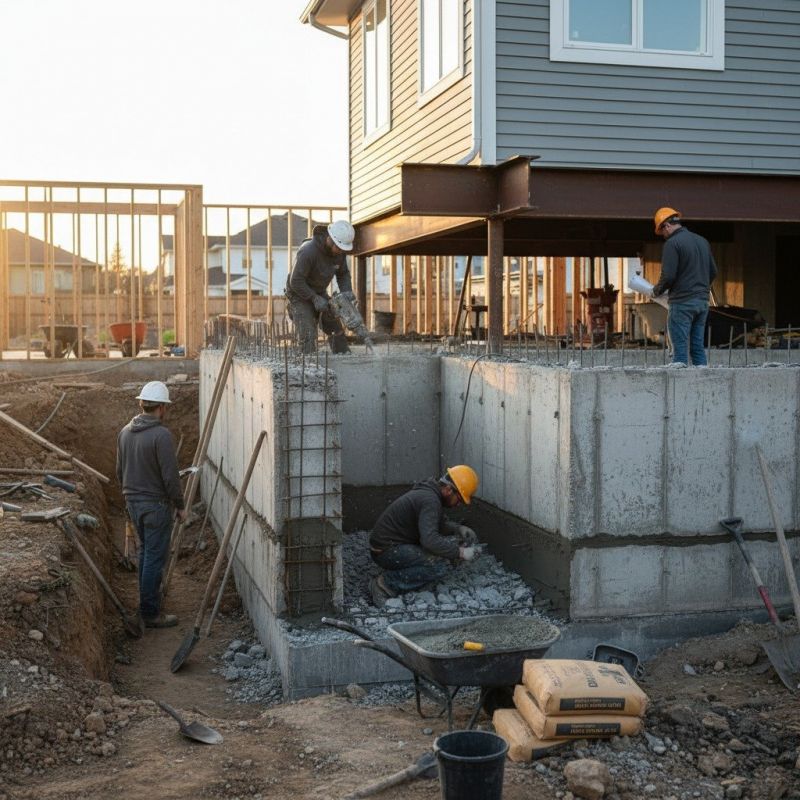
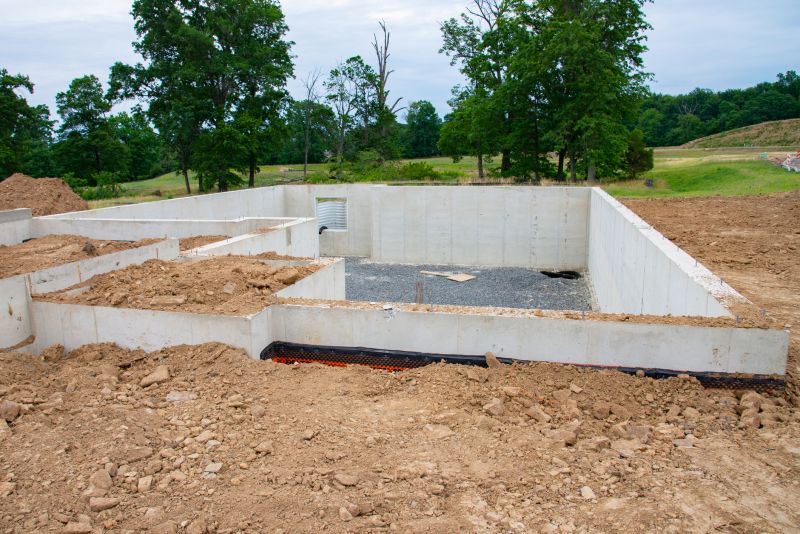

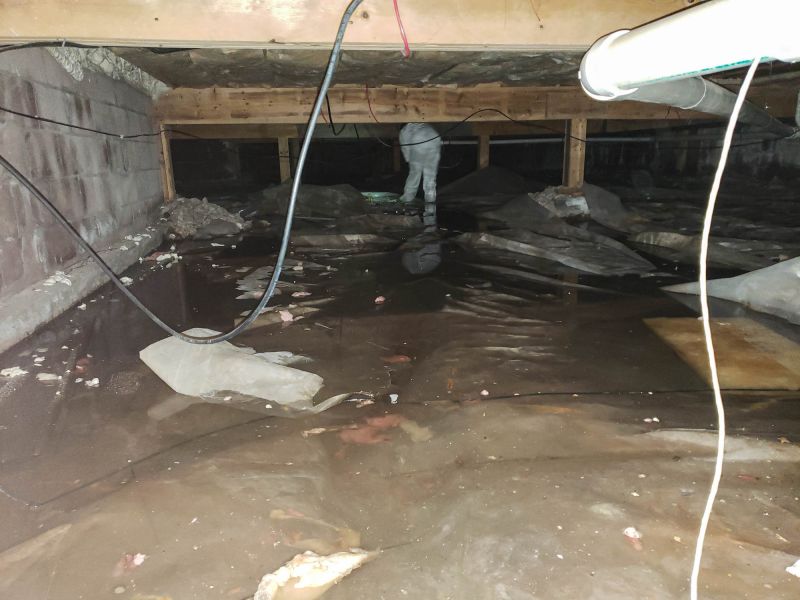
Learn how to compare contractors, define project scope, verify experience, and set clear expectations in writing.
- Scope Definition - Clearly outline the specific tasks and responsibilities involved in the basement foundation pouring project.
- Experience Verification - Confirm that local contractors have relevant experience with basement foundation construction and pouring.
- Material Specifications - Specify the types of materials to be used and ensure they meet project requirements.
- Quality Standards - Establish quality expectations and standards for the foundation pouring process.
- Documentation and Agreement - Ensure all scope details are documented and agreed upon in writing before work begins.
When comparing contractors for basement foundation pouring, it is important to evaluate their experience with projects similar in scope and complexity. Homeowners should inquire about the types of foundations the contractors have worked on and how many comparable jobs they have completed. A contractor with a proven track record in pouring foundations for residential basements can provide insights into their familiarity with site-specific challenges and best practices, helping to ensure the work aligns with the unique requirements of the property.
A clear, written scope of work is essential for establishing mutual understanding and setting expectations. Homeowners should seek detailed proposals that outline the specific tasks involved, including site preparation, formwork, concrete pouring, curing, and any necessary reinforcement. Having this information documented helps prevent misunderstandings and provides a basis for evaluating whether the contractor’s approach aligns with the project’s needs, ensuring all parties are aligned on deliverables before work begins.
Verification of a contractor’s experience can be supported by requesting references or examples of completed projects. Homeowners should consider speaking with previous clients or reviewing project summaries to assess the quality of past work. Additionally, verifying that the contractor has the necessary equipment and resources to handle the scope of the project can be a practical step. This verification process helps build confidence that the service provider has the capability and reliability to execute the foundation pouring effectively.
When evaluating options among local contractors, it is important to compare their scope of services, experience, and communication practices. Homeowners should look for detailed proposals, ask questions about previous projects, and clarify how changes or issues will be documented in writing. By focusing on the clarity of the scope, the contractor’s relevant experience, and the thoroughness of their communication, homeowners can make informed decisions that align with their project goals-without the need to consider prices or timelines.
Request written scope details from local contractors to ensure clear expectations and consistent project understanding.
- Experience and References - How can I verify the experience and past work of local contractors specializing in basement foundation pouring?
- Scope of Work - What specific tasks and materials are included in each contractor’s scope of basement foundation pouring services?
- Project Expectations - How do contractors define and document the project scope, responsibilities, and deliverables in writing?
- Comparison Criteria - What factors should be considered when comparing different service providers beyond pricing and timelines?
- Communication and Clarifications - What questions should I ask to clarify the process, methods, and responsibilities of each local contractor?
What should I consider when choosing a contractor for basement foundation pouring? It's important to evaluate the contractor’s experience with foundation projects, verify their reputation, and ensure they clearly define the scope of work in writing to set proper expectations.
How can I compare different contractors for basement foundation pouring? Comparing contractors involves reviewing their project portfolios, checking references, and ensuring their scope of work and responsibilities are outlined in detailed agreements.
Why is it important to define the scope of work in writing? Having a written scope helps prevent misunderstandings, clarifies responsibilities, and ensures all parties agree on the project details before work begins.
What questions should I ask a contractor before hiring for basement foundation pouring? Ask about their previous experience, the methods they use, how they handle unforeseen issues, and request a detailed scope of work to understand what is included.
How do I verify a contractor’s experience with foundation pouring? You can review their past projects, ask for references, and confirm their familiarity with the specific requirements of basement foundation work.
What role does a written agreement play in the foundation pouring process? A detailed written agreement helps ensure clarity about the scope, responsibilities, and expectations, reducing potential disputes during the project.
This page has highlighted the importance of clearly defining the scope of work, verifying the experience of service providers, and establishing expectations in writing when selecting contractors for basement foundation pouring. Understanding how to compare local contractors can help ensure the project aligns with specific needs and standards. Utilizing the provided quote form makes it easy to gather information and evaluate options side by side, supporting an informed decision-making process.
By using the quote form to connect with local contractors, visitors can efficiently explore available options and gather details to compare services. This approach helps identify experienced service providers capable of handling basement foundation pouring while ensuring expectations are clearly communicated. Taking this step can assist in finding the right match for the project's requirements, making the selection process more straightforward.