Compare Local Contractors for Poured Wall Installation Success
Compare local contractors for poured wall installation to define project scope, verify experience, and establish clear expectations for a successful outcome.
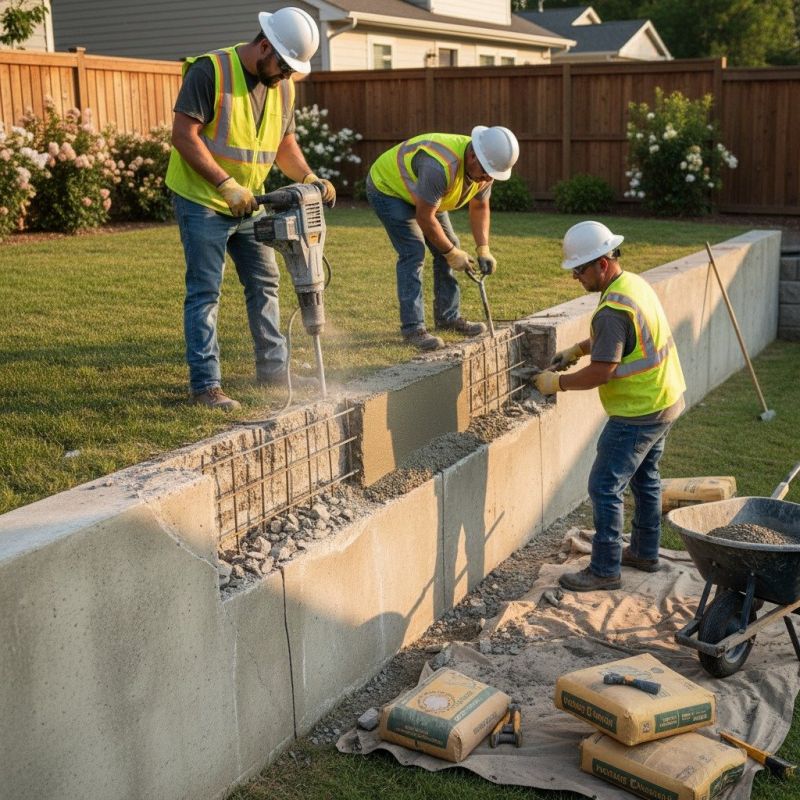
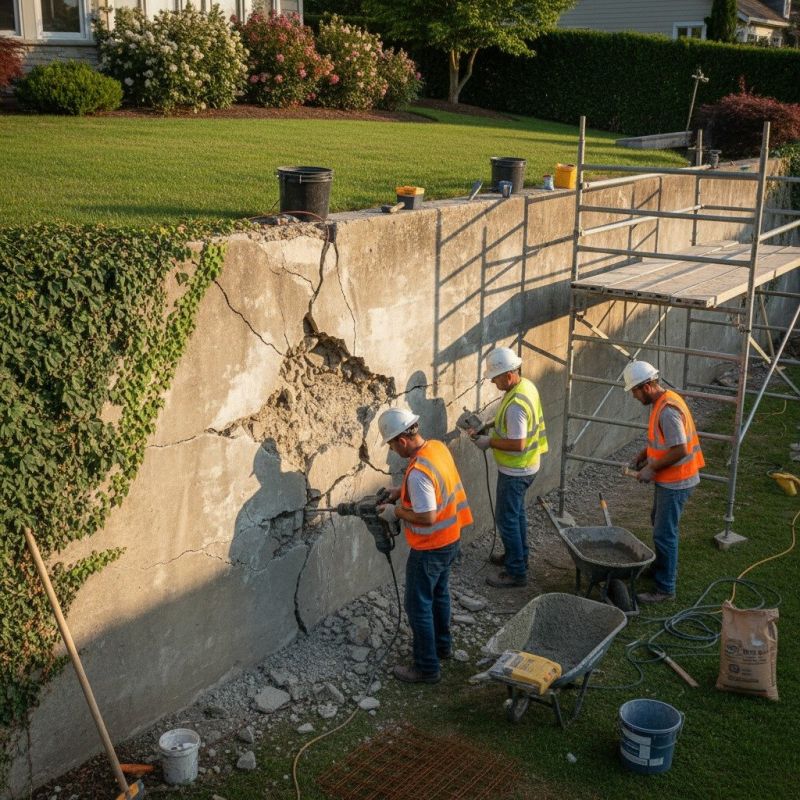
Poured wall installation services typically cover the construction of reinforced concrete walls used for foundations, basements, retaining walls, and other structural needs. These projects involve preparing the site, setting up formwork, pouring concrete, and ensuring proper curing to achieve the desired strength and durability. Property owners should consider the specific requirements of their project, such as wall height, thickness, and load-bearing needs, to clearly define the scope of work with potential contractors. A well-outlined scope helps ensure that all parties understand the expectations and deliverables, reducing the risk of misunderstandings or incomplete work.
Defining the scope of poured wall installation is essential for establishing clear expectations and ensuring the project meets safety and structural standards. Property owners should work with contractors to specify key details, including wall dimensions, reinforcement methods, and any necessary site preparation or finishing work. Having these details in writing can serve as a reference throughout the project, helping to avoid scope creep and ensuring that the work completed aligns with the initial plan. Properly scoped projects also make it easier to compare different service providers based on their experience, approach, and ability to meet the outlined requirements.
When evaluating local contractors for poured wall installation, property owners should consider factors such as experience with similar projects, reputation within the community, and the methods they propose to use. It’s helpful to verify the contractor’s familiarity with local building codes and soil conditions, which can influence the durability and safety of the walls. Comparing multiple service providers allows property owners to assess their approach to defining scope, communication practices, and the level of detail provided in their proposals. This process supports informed decision-making and helps identify contractors who are capable of delivering reliable, quality work tailored to the specific needs of the property.
Compare local contractors by outlining project priorities, verifying experience, and clearly defining scope and expectations in writing.
- Verify Experience and Credentials - Ensure contractors have relevant experience in poured wall installation projects.
- Define Project Scope Clearly - Outline specific requirements and expectations in written agreements to prevent misunderstandings.
- Compare Multiple Service Providers - Review and evaluate local contractors based on their expertise and project approaches.
- Request Detailed Proposals - Obtain comprehensive written plans that specify work procedures and materials to set clear expectations.
Before comparing local contractors for poured wall installation, clearly define your project scope and expectations.
- Verify experience with poured wall installation to ensure contractors are familiar with local soil conditions and foundation requirements. - Compare the scope of work outlined by different service providers to ensure all necessary tasks are included and clearly defined.
- Check references or reviews to assess the quality of previous poured wall projects completed by local contractors. - Confirm that contractors provide detailed written estimates that specify materials, methods, and responsibilities.
- Ensure contractors have a clear plan for site preparation, formwork, reinforcement, and concrete pouring processes. - Discuss project expectations and outcomes to establish mutual understanding before work begins.
- Review the contract to include specific details about the scope, materials, and any warranties or guarantees offered. - Confirm that all project details are documented in writing to avoid misunderstandings or disputes.
- Assess the contractor’s familiarity with local building codes and permitting processes related to poured wall installation. - Ensure that the service provider can handle necessary permits and adhere to relevant regulations.
Compare local contractors' experience and clarify project scope to ensure successful poured wall installation.

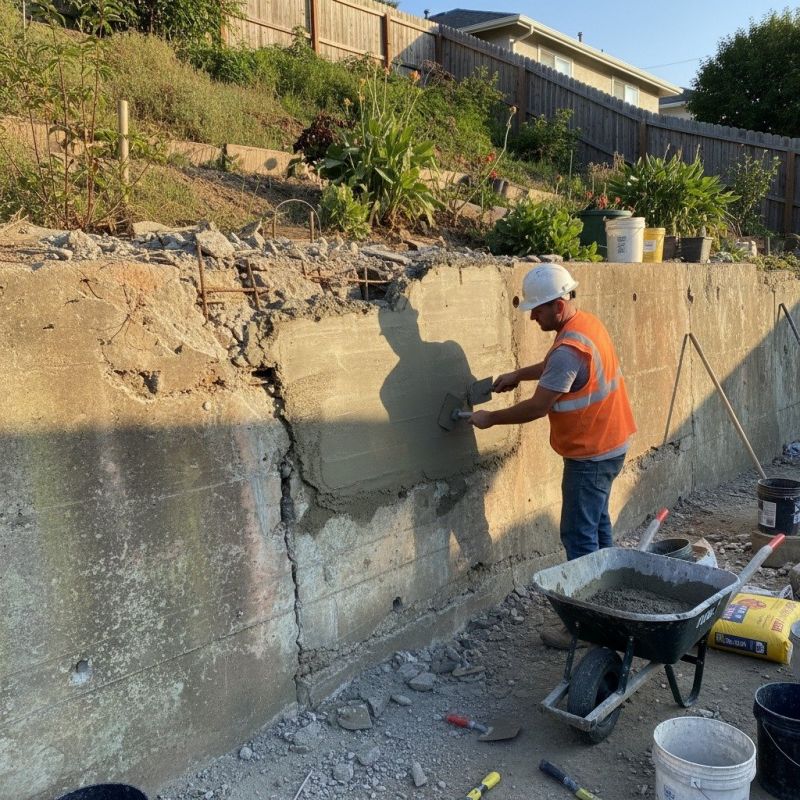
Learn how to compare local contractors for poured wall installation by defining scope, verifying experience, and setting clear expectations.
- Define project scope - clearly outline the dimensions, design, and specific requirements for the poured wall installation.
- Verify experience - ensure the service providers have relevant experience with poured wall construction in similar projects.
- Check materials and methods - specify the types of concrete, reinforcement, and construction techniques to be used.
- Establish communication expectations - determine how scope details, progress updates, and any changes will be documented in writing.
- Compare credentials and references - review the backgrounds and references of local contractors to assess reliability and expertise.
When comparing contractors for poured wall installation, it is important to evaluate their experience with similar projects. Homeowners should inquire about the types of structures the service providers have worked on and request examples or references that demonstrate their familiarity with poured wall techniques. Contractors with a proven track record in projects comparable in size and complexity are more likely to deliver results that meet expectations. Gathering details about past work helps ensure that the chosen service provider has the relevant expertise needed for the specific requirements of the project.
A clear, written scope of work is essential when assessing different contractors. This document should outline the specific tasks involved, including preparation, excavation, form setting, pouring, curing, and finishing details. Having a detailed scope helps prevent misunderstandings and provides a basis for evaluating whether a contractor’s proposed approach aligns with the project’s needs. Homeowners should look for service providers who can articulate each step of the process in writing, ensuring transparency and a shared understanding of what the project entails.
Verification basics involve confirming that contractors understand the essential aspects of poured wall installation, such as proper site preparation, reinforcement placement, and curing methods. While formal licensing or certification may not be a requirement, homeowners can ask how contractors verify their work quality and ensure adherence to industry standards. Service providers should be able to explain their methods for maintaining quality control, managing materials, and following best practices. This information helps gauge the contractor’s commitment to delivering durable, well-constructed poured walls.
Evaluating options without focusing on prices involves examining how well contractors communicate, their scope of work, and their experience. Homeowners should compare the clarity of written proposals, the level of detail provided, and the professionalism of the communication. It is also helpful to consider how thoroughly each service provider understands the project’s specific needs and how confidently they can address questions or concerns. By focusing on these factors, homeowners can make informed decisions based on quality, expertise, and clarity, leading to a more successful poured wall installation.
Ask contractors to provide written scope details to ensure clear expectations and consistent project understanding.
- Experience and Expertise - What specific experience do the local contractors have with poured wall installation?
- Scope of Work - How do contractors define and clarify the scope of the poured wall project?
- Materials and Methods - What materials and construction methods do the service providers plan to use?
- Project Expectations - How will the scope and responsibilities be documented in the project agreement?
- Comparison Criteria - What factors should be considered when comparing different local contractors for poured wall work?
What should I consider when choosing a contractor for poured wall installation? It’s important to compare local contractors based on their experience, reputation, and the scope of services they offer to ensure they meet project needs.
How can I verify a contractor’s experience with poured wall projects? You can ask for references or examples of previous work to assess their familiarity and skill with poured wall installation.
What details should be included in a written scope of work? The scope should clearly define the project’s parameters, materials to be used, responsibilities, and any specific requirements to set clear expectations.
Why is it important to compare multiple contractors for poured wall installation? Comparing different service providers helps identify which contractor offers the best expertise and approach suited to the specific project needs.
What questions can help determine a contractor’s suitability for poured wall work? Inquiring about their experience, methods, and how they handle project challenges can provide insight into their capability and professionalism.
How can I ensure that the scope of work is understood by all parties? It’s recommended to have all project details documented in writing and reviewed to confirm everyone’s understanding before work begins.
This page has provided an overview of key considerations when selecting contractors for poured wall installation, including how to clearly define project scope, verify experience, and set expectations in writing. By exploring these points, visitors can better understand how to compare different service providers and make informed decisions that align with their project needs. Utilizing the quote form allows for easy connection with local contractors who can handle the work, helping to streamline the process of finding the right professional for the job.
Encouragement to use the quote form emphasizes the importance of reaching out to local service providers who can assist with poured wall installation. Comparing options through this method enables visitors to gather information and evaluate which contractors are well-suited to meet their project requirements. Taking this step can help facilitate a smooth and transparent process when working with experienced local contractors.